Best Gym Shoes for Lifting in 2026: Flat-Sole, Cross-Training, or Olympic? (A Coach's Pick)
Running shoes are quietly wrecking your squats. Here's what a Miami coach actually recommends for lifting — flat-sole vs cross-training vs Olympic weightlifting shoes — and exactly who each one is for.
If you're squatting or deadlifting in cushioned running shoes, you're fighting your own footwear. A soft, squishy sole compresses unevenly under load, which kills your stability and leaks power on every rep. It's the most common gear mistake I see from new lifters.
I'm Coach Alex at Gallo 8 Gym in Little Havana. Here's the honest breakdown of the three types of lifting shoes, who each is for, and the specific pairs I'd actually recommend. If you're brand new, start with the beginner's guide to lifting in Miami — shoes matter less than just showing up consistently.
Why running shoes fail you under the bar
Running shoes are built to absorb impact and push you forward — great for a 5K, bad for a heavy squat. Under load, that cushioned heel compresses and shifts, so instead of driving through a stable base you're balancing on a mattress. For lifting you want the opposite: a flat, firm, stable platform.
Option 1 — Flat-sole shoes (best for most beginners)
For about 90% of lifters starting out, a flat, hard-soled shoe is all you need. Converse Chuck Taylors have been a powerlifting staple for decades for exactly this reason: dead-flat sole, firm, and cheap. Perfect for squats, deadlifts, presses, and general training.
Flat-sole picks
The classic do-everything option for squats and deadlifts — flat, firm, and affordable. Grab decent socks while you're at it.
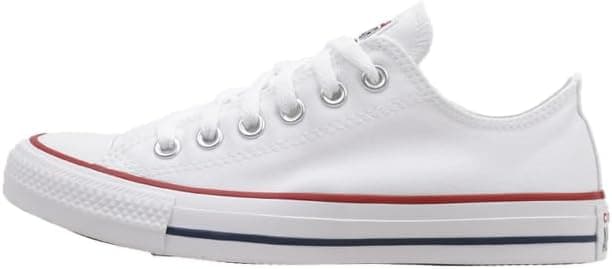
Converse Chuck Taylor
Classic flat sole, perfect for squats & deadlifts
4.6(25.5K)View on Amazon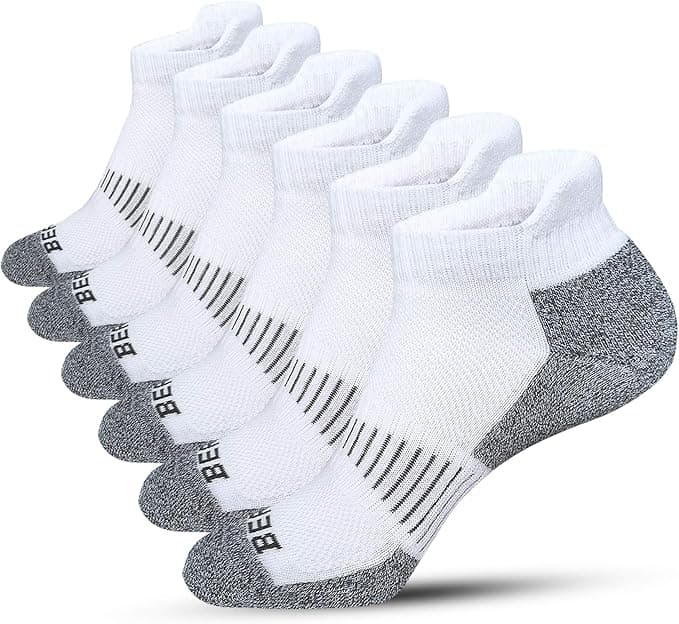
BERING Athletic Socks 6-Pack
Ankle length, cushioned, moisture wicking
4.7(1.8K)View on Amazon
Affiliate Disclosure: As an Amazon Associate, we earn from qualifying purchases. This helps support our gym at no extra cost to you.
Option 2 — Cross-training shoes (for mixed workouts and classes)
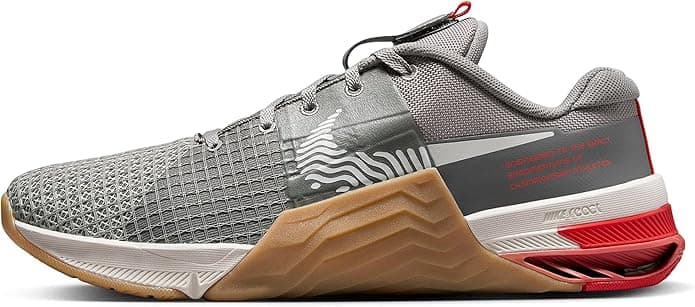
If your training mixes lifting with HIIT, jump rope, box jumps and the occasional sprint, a cross-training shoe gives you a firmer-than-running platform that still handles movement. The Nike Metcon line is the benchmark — stable heel for lifting, durable enough for rope climbs and burpees.
Cross-training pick
One shoe for lifting plus conditioning, if you don't want to own two pairs.
Affiliate Disclosure: As an Amazon Associate, we earn from qualifying purchases. This helps support our gym at no extra cost to you.
Option 3 — Olympic weightlifting shoes (for serious squatters)
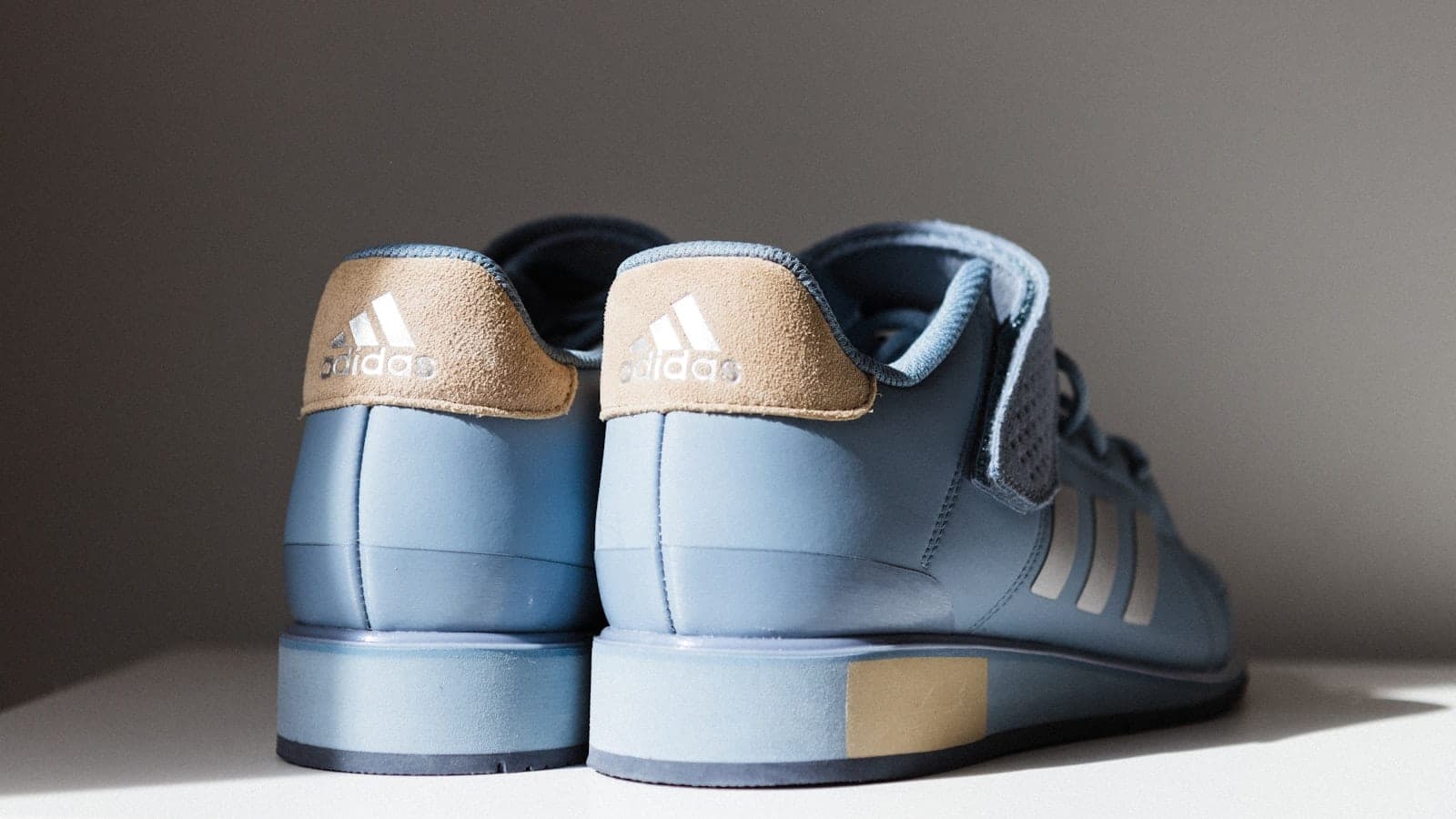
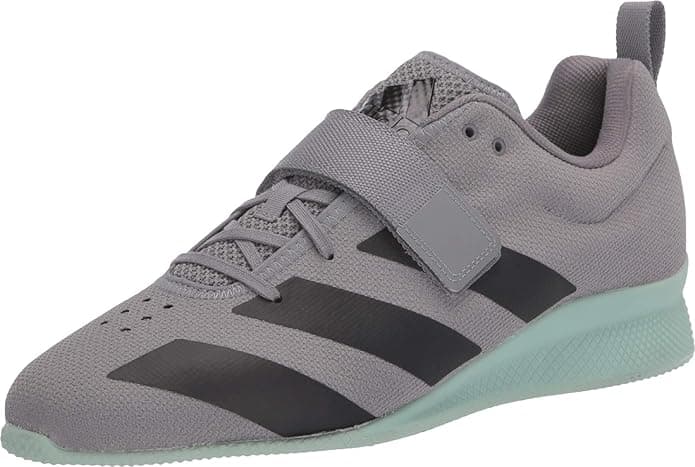
Once you're squatting heavy and chasing depth, a raised-heel Olympic shoe like the Adidas Adipower lets you hit a deeper, more upright squat and is rock-solid for cleans and snatches. This is a specialist tool — don't buy it first. Buy it when your squat is your priority and ankle mobility is your limiter.
Olympic weightlifting pick
A raised, hard heel for deep squats and Olympic lifts. Buy this once squatting is your main focus — not before.
Affiliate Disclosure: As an Amazon Associate, we earn from qualifying purchases. This helps support our gym at no extra cost to you.
The shoes matter less than the room you train in
Honestly? A $30 pair of flat shoes and a gym where someone checks your form beats a $200 pair and no coaching. Come see what that feels like.
Train where the coaches check your form
Gallo 8 Gym in Little Havana — bilingual coaches who'll fix your squat for free, $5 day pass, no contract.
Come visitTrain with us in Little Havana
Gallo 8 Gym is an independent Hispanic community gym — no contracts, no signup fees, right across from Miami Dade College.