The 2026 World Cup Final Was Decided in Minute 106 — That's a Conditioning Story
Spain beat Argentina 1-0 in extra time to win the 2026 World Cup. A Little Havana strength coach breaks down what minute 106 really tested — and the simple 4-day program to build your own minute-106 engine.
Spain 1, Argentina 0. The 2026 World Cup ended this afternoon at MetLife Stadium — scoreless through 90 minutes, decided by a Ferran Torres goal in the 106th minute of extra time. All over Miami, from the cafecito windows of Little Havana to living rooms in Doral, we watched two of the fittest teams on the planet settle a month-long tournament in the minutes where fitness is all that's left.
I'm a strength and conditioning coach, so I'll leave the tactics to the pundits. But what I watched today is the thing I try to explain to every athlete who walks into our gym: nobody scores in minute 106 by accident. The team that can still accelerate, still press, and still think clearly after 105 minutes of a World Cup final is the team that built that capacity months and years earlier — in training nobody ever saw.
A final decided exactly where fitness lives
Regulation ended 0-0. That's more than 90 minutes of sprinting, shuffling, jumping and wrestling for position with the biggest prize in sports on the line — and then both teams had to find 30 more. Extra time is where every weakness you hid all tournament gets exposed: the hamstrings that never got strong, the engine that never got built, the legs that stop getting off the ground. Spain's Rodri-led midfield kept the ball — and their legs — moving deep into the second hour, and the goal came from exactly that: fresh-enough players making sharp decisions at a point in the match where most people can barely jog.
Give Dibu Martínez his flowers
If you're one of the thousands of Argentina fans in Miami hurting tonight — this city is yours too, and there's no shame in today. Emiliano 'Dibu' Martínez made 11 saves, the most by a goalkeeper in any World Cup final. Think about what that means physically: eleven separate maximal, explosive, full-extension efforts spread across 120 minutes, most of them arriving after the point where legs have every right to be gone. That quality — power that survives fatigue — is built in the weight room, and a record performance in a losing final is still one of the great athletic performances you'll ever watch. And Messi, at 39, captained a team to a World Cup final. Nobody in this city needs to be told what that took.
Three things the final showed that you can actually train
1. The engine — repeating the work when it counts
What looks like talent in minute 100 is usually an aerobic base built in the off-season. A bigger engine means you recover between sprints faster — so your tenth sprint looks like your first. It's the least glamorous training there is: steady 30-40 minute zone-2 sessions, sled pushes, bike intervals. And it's the single biggest separator in the last 15 minutes of any match, at any level.
2. Power that survives fatigue
Ferran Torres scored the biggest goal of his life 106 minutes in. Fresh power is easy — tired power wins trophies. It comes from heavy single-leg strength work and controlled jumps, the exact movements in our 8 coach-recommended soccer exercises, protected by enough conditioning that you can still express them late.
3. The mental game rides on the physical one
Commentators love calling late-game mistakes 'mental errors.' Most of them are physical. When your heart rate stays pinned, technique and decision-making degrade together — the touch gets heavy, the pass arrives late, the runner gets lost. The fitter athlete literally thinks better in minute 106. Build the body and the brain comes with it.
The minute-106 program (how we'd build it at Gallo 8)
You don't need a national-team sports-science department. You need four focused sessions a week and eight consistent weeks:
- Strength, twice a week — squats, split squats, Romanian deadlifts, Nordics and jumps. The full eight exercises are in the coach program linked above.
- One engine day — 30-40 minutes of steady zone-2 cardio: incline treadmill, bike, or long easy rope rounds. Boring on purpose. This is the base everything else stands on.
- One repeat-sprint day — 10 rounds of 30 seconds hard, 90 seconds easy, on the bike, the rope, or shuttle runs. This is minute-106 currency.
- Play — pickup, league, whatever you love. The game is the test, not the training.
The minute-106 toolkit
Three inexpensive things that cover the engine work and the Miami heat — the same ones from our soccer program.
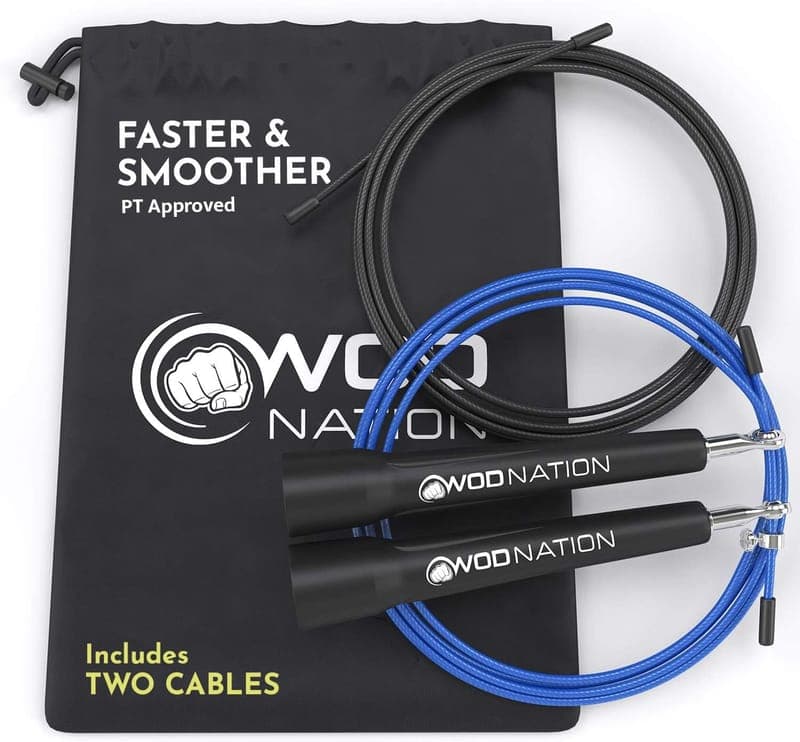
WOD Nation Speed Rope
Ball bearings, adjustable length, blazing fast
4.4(14K)View on Amazon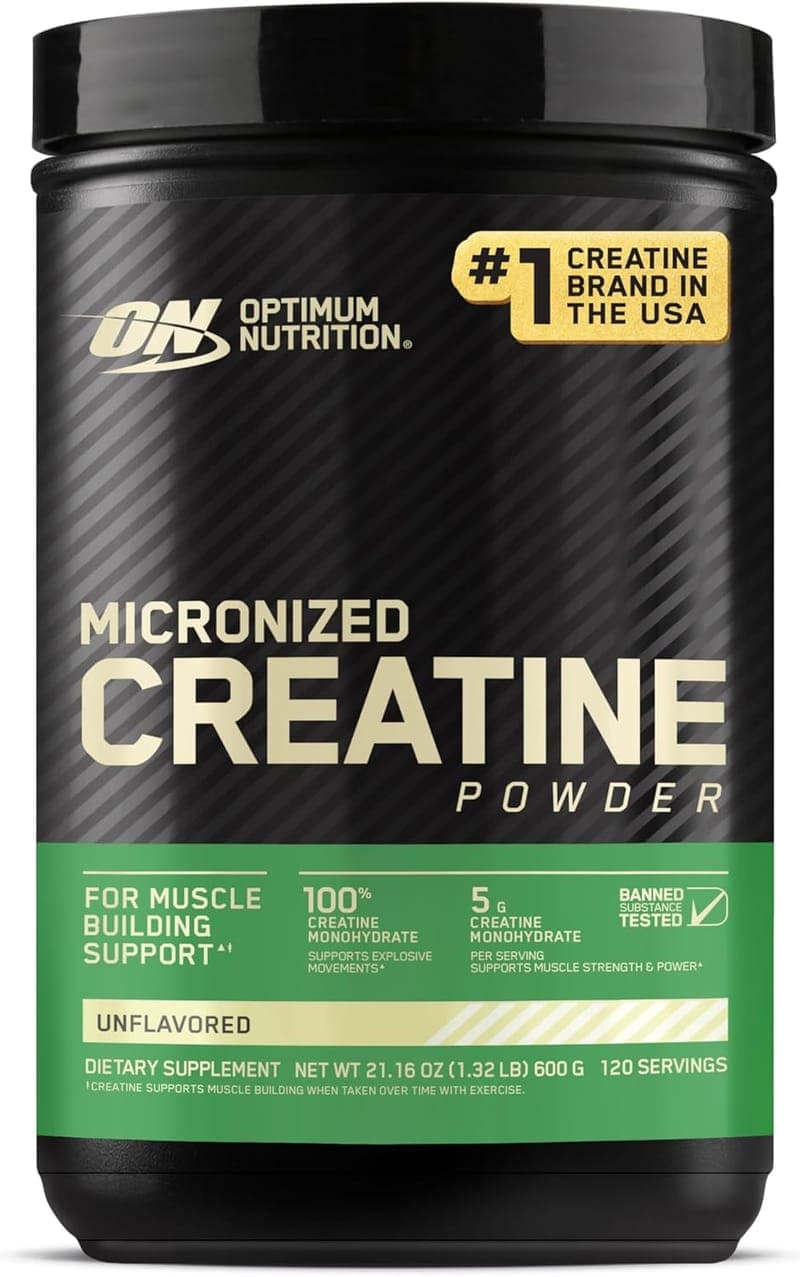
ON Creatine Monohydrate
Micronized, 5g per serving, 120 servings
4.6(108K)View on Amazon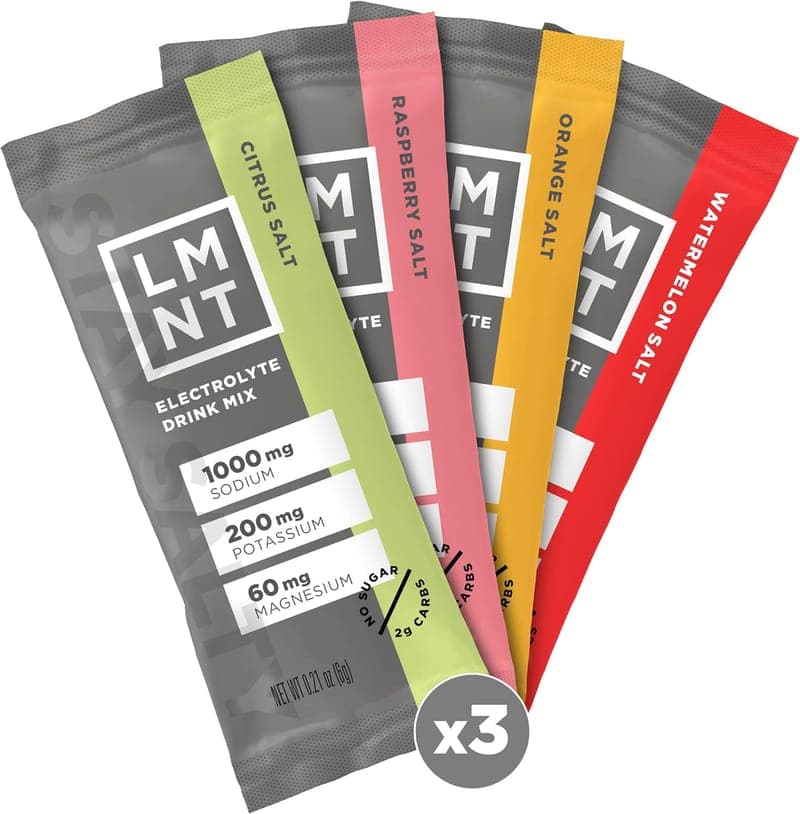
LMNT Zero Sugar Electrolytes
Variety pack, keto-friendly, 12 count
4.6(47.3K)View on Amazon
Affiliate Disclosure: As an Amazon Associate, we earn from qualifying purchases. This helps support our gym at no extra cost to you.
The World Cup is over. Little Havana keeps training.
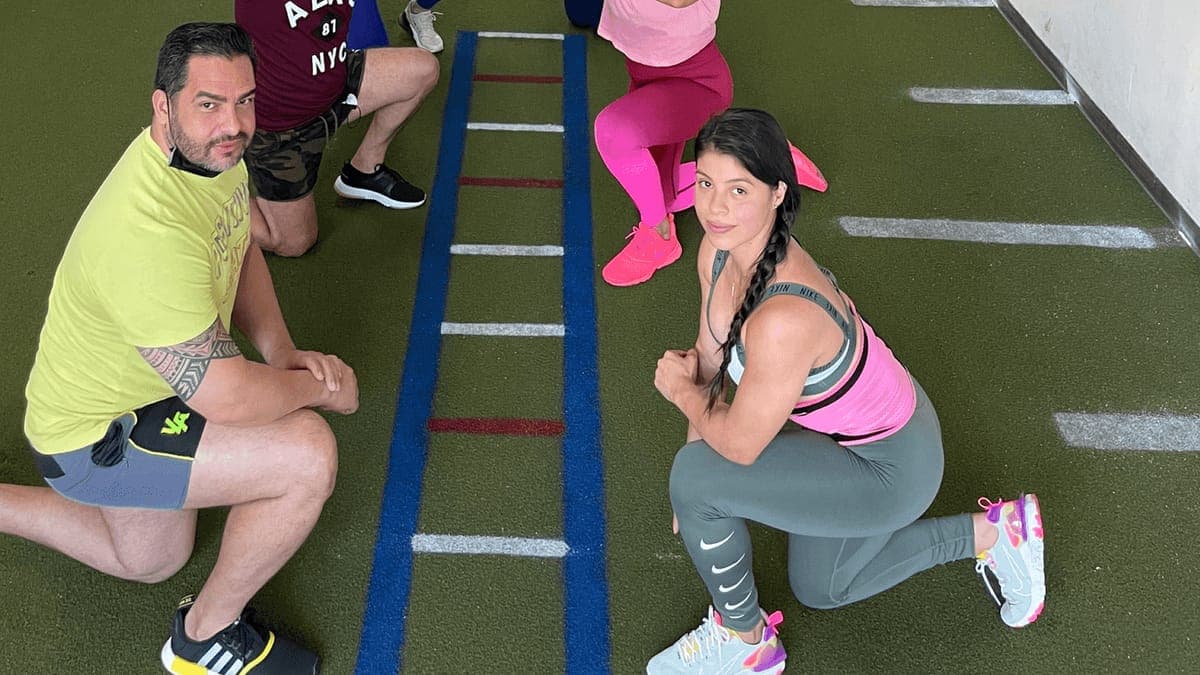
The tournament that took over our city for a month ended today, and the next one is four years away. Whatever this final left you feeling — Spanish pride, Argentine heartbreak, or just the itch to move — the answer is the same: start before it fades. If you began training this summer with our World Cup training plan, consider this your graduation. Our back to school deal, 3 months for $54 with no contract if you are a student or you work at a school, runs through October 31, and the turf room where we run these exact ladder and sprint drills is right across from Miami Dade College, an easy walk from the fields at José Martí Park. Bilingual coaches, real iron, no pressure.
The 2026 World Cup final: what people are asking
Who won the 2026 World Cup final?
How many saves did Dibu Martínez make in the final?
Why do so many big goals happen late in soccer matches?
How do I get in soccer shape at a gym?
Start your own pre-season today
The Back to School deal, 3 months for $54 with no contract, runs through October 31 for students and school staff. The next World Cup is four years away; your next season starts this month. Gallo 8 Gym, Little Havana, across from Miami Dade College.
Claim the Back to School dealTrain with us in Little Havana
Gallo 8 Gym is an independent Hispanic community gym — no contracts, no signup fees, right across from Miami Dade College.